
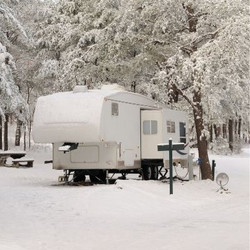
Surviving Extreme Cold Weather in an RV
23rd Jan 2026
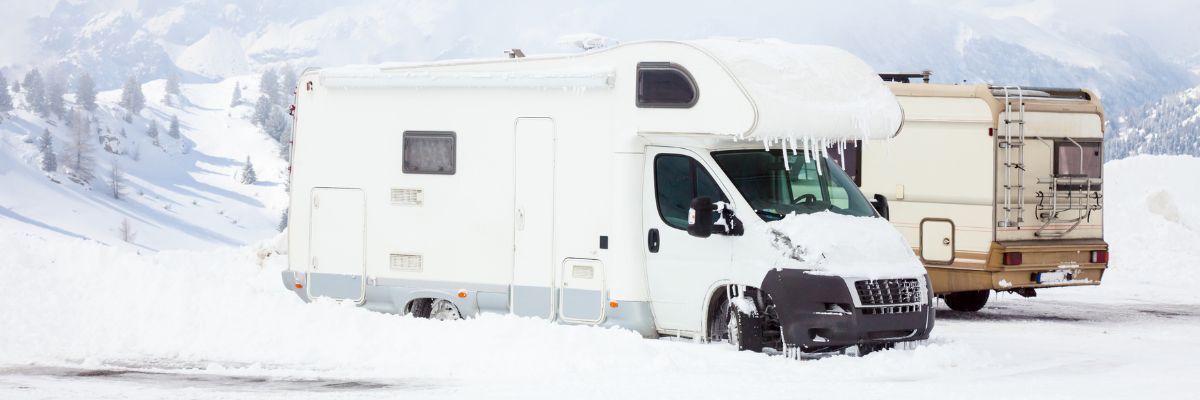
How to Stay Warm, Protect Your RV, and Sleep Comfortably in Winter
Extreme cold RV camping is completely possible—but make sure you are prepared.
Whether this is your first winter on the road or you’ve traveled through cold climates for years, freezing temperatures, wind, snow, and ice place extra demands on your RV and your daily routines.
This guide covers what matters most when temperatures drop: insulation, plumbing protection, safe heating, and sleep comfort—so you can stay warm, protected, and well-rested wherever winter takes you.
RVs lose heat faster than homes. Walls are thinner, plumbing is exposed, and small gaps can quickly turn into cold drafts or frozen systems.
Proper winter RV preparation helps you:
- Prevent frozen pipes and water damage
- Reduce energy and propane use
- Maintain consistent interior temperatures
- Sleep warmer without running heat all night
1. Seal the RV Before You Crank the Heat
Before turning up the thermostat, focus on heat retention.
Cold-weather insulation basics:
- Reflective insulation in windows and roof vents
- Draft blockers at entry doors and slide-outs
- Close off unused areas to reduce heated space
- Rugs or foam mats over cold floors
These simple steps dramatically improve comfort overnight.
2. Protect RV Plumbing From Freezing
Frozen pipes are one of the most common winter RV issues—and one of the easiest to prevent.
Winter plumbing essentials:
- Use a heated water hose or disconnect and drain hoses
- Insulate exposed pipes, fittings, and the water pump
- Keep cabinet doors open for warm air circulation
- Use onboard tanks during extreme cold
3. Use RV Skirting When You Can
If you’re parked for more than a night or two, skirting makes a noticeable difference.
Benefits of RV skirting in winter:
- Reduces cold air circulation under the RV
- Helps protect tanks and plumbing
- Improves overall heating efficiency
Even temporary or partial skirting is better than none.
4. Heat Safely and Efficiently
Warmth matters—but safety comes first.
Winter heating best practices:
- Use RV-safe space heaters only
- Choose heaters with tip-over and auto shut-off protection
- Avoid overloading electrical circuits
- Monitor propane levels closely
- Keep heaters clear of bedding and fabric
Less-Obvious Cold-Weather RV Hacks
Once the basics are covered, small adjustments can make a big difference—especially during extended cold weather. These are experience-driven tips that improve comfort and efficiency without major upgrades.
Heat the Air Path, Not Just the Space
Aim heaters toward exterior walls, under-bed areas, or cabinets with plumbing. These zones cool first and are where freezing often starts.
Use Your Mattress as Insulation
Cold radiates up through RV bed platforms.
Simple fix:
Place reflective insulation, closed-cell foam, or a wool blanket between the mattress and platform. Pair this with a properly fitting fitted sheet to prevent cold air gaps.
Close Roof Vents at Night
Vent during the day to manage moisture, but close roof vents overnight to reduce heat loss. Crack a window slightly only if needed.
Create Thermal Zones With Curtains
Large windows and cab-over areas increase the space you need to heat. Thermal curtains—or temporarily clipped blankets—help reduce cubic footage and heat loss.
Warm the Bed, Not the Whole RV
Instead of running heat all night:
- Layer bedding intentionally
- Use weight, not just thickness
- Keep bedding secure to block drafts (think NoTuck Top Sheets, fitted blankets and bedspreads)
When bedding stays secure, warmth stays in—helping you sleep better while using less energy. That’s where AB Lifestyles comes in—designing bedding that fits RV mattresses properly and stays put through cold nights on the road.
Control Moisture to Feel Warmer
Damp air feels colder.
- Use a small dehumidifier
- Vent briefly while cooking
- Wipe condensation before bed
Partial Skirting Still Helps
If full skirting isn’t possible, focus on:
- The coldest side of the RV
- Tank and pump areas
Pre-Warm, Then Let the RV Coast
Warm the RV slightly before bed, then lower the thermostat overnight. The structure—and your bedding—retain warmth, reducing heater cycling.
Treat Cold Snaps Like a System Check
Even experienced RVers get caught by loose seals, shifted hoses, or forgotten vents. A quick walkthrough before temps drop prevents surprises.
5. Sleep Warm Without Running Heat All Night
Nighttime is when heat loss matters most.
Cold-night sleep tips:
- Use layered bedding instead of cranking the heat
- Choose sheets that fit properly and don’t shift
- Eliminate drafts around the bed area
A well-set-up sleep system improves comfort and reduces energy use.
Frequently Asked Questions
How cold is too cold to stay in an RV?
With proper insulation, heating, and system protection, many RVers camp well below freezing. Preparation matters more than temperature alone.
Can RV pipes freeze overnight?
Yes—especially during sudden temperature drops without insulation or heat circulation.
Does running heat all night damage an RV?
Running heat continuously isn’t harmful, but it increases propane use and condensation. Sealing drafts, managing moisture, and setting up a warm sleep system can reduce how often your heater needs to cycle overnight.
How do you stay warm in an RV without running heat all night?
Seal drafts, manage moisture, layer bedding, and use sheets that stay in place to retain body heat.
Winter RV Travel Is About Preparation
Cold weather RVing doesn’t have to be uncomfortable or stressful. With smart insulation, protected systems, safe heating, and bedding that works with your RV—not against it—you can travel confidently through winter conditions.
Because better preparation leads to better rest.
Stay safe and sleep warm!
Your friends at AB Lifestyles
Bedding for home and wherever you roam.